
PROACTIVE TIER 1 SUPPORT
A K-12 Well-being Coach for Every Student
Designed by clinicians for students in grades 4–12, TimelyCare’s AI-powered coach builds practical skills through short, self-directed conversations and alerts school teams when serious concerns arise.
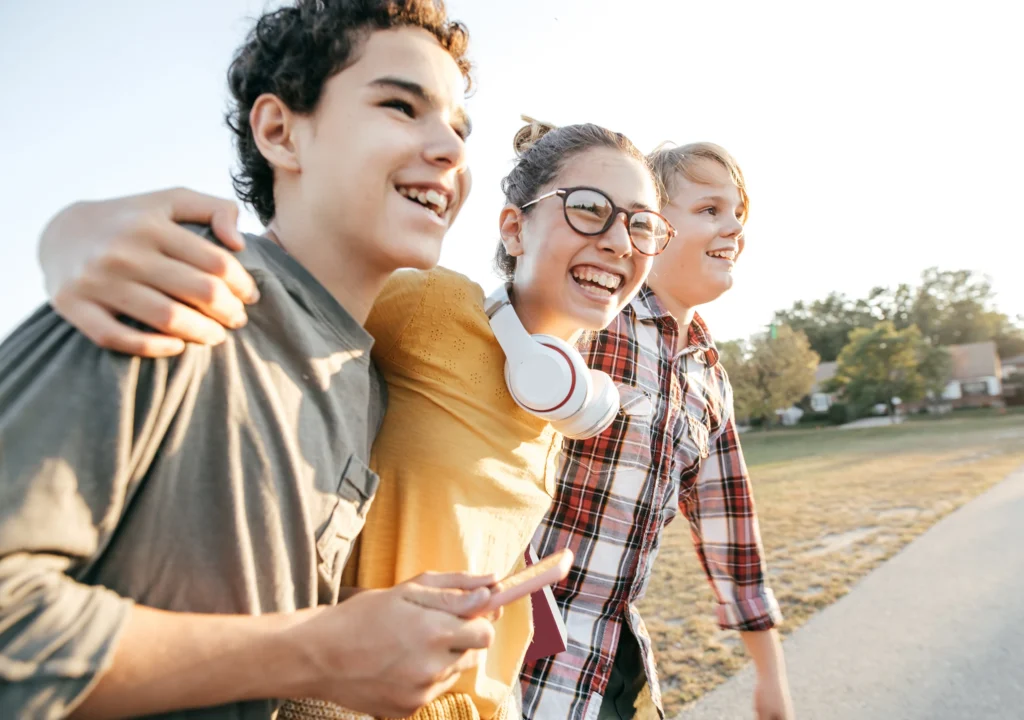
20%
fewer absences among students using TimelyCare
Improving Student Attendance
An independent ESSA Level II study found that students using TimelyCare’s Well-being Coach had 20% fewer absences than nonusers, demonstrating a measurable connection between student well-being support and school attendance.
24/7 WELL-BEING SUPPORT FOR K-12 STUDENTS
Practical Skills for Students, Greater Visibility for Schools

Build Skills in the Moment
Short, guided conversations help students work through stress, sleep difficulties, motivation, peer conflict, study habits, and other everyday challenges. Each interaction ends with a practical skill or next step that students can apply in their daily lives
40+
Skill-building topics, including healthy friendships, self-esteem, and managing stress.

Identify Student Needs Earlier
School teams gain visibility into common student concerns through aggregate engagement and skill-building data. When defined safety or mental health risk signals emerge, TimelyCare alerts designated school staff so a person can respond according to district protocols.
41%
of students shared their chat summary and goals with their school counselor
Students with elevated distress at baseline reported lower overall distress after 3 months of TimelyCare use
Strengthen Tier 1 Across Schools
Self-directed, browser-based support extends the reach of counselors and teachers. No new curriculum or dedicated class time is required, and schools can incorporate short interactions into existing classroom routines. Districts can configure local resources and safety workflows around existing systems.
Our students know they have access to support whenever they need it, and that’s priceless.” We wanted to give kids another avenue to vent, get advice, and be heard, especially for those who might never make it to our office.”
Dr. Alisa Smiley
Mental Health/Truancy Coordinator
Selma City Schools
BUILT FOR STUDENTS. ACCOUNTABLE TO SCHOOLS.
Well-Being Support Grounded in Clinical Expertise
1. Evidence-Based Skill-Building
Short, personalized conversations draw on evidence-based approaches, including CBT, DBT, ACT, and mindfulness, to help students build practical skills for everyday challenges.
2. Self-Guided Well-Being Tools
Journaling, mood tracking, goal-setting, short videos, and skill-building activities give students different ways to work through everyday challenges and practice new skills.
3. Responsible AI Safeguards
TimelyCare’s S.U.R.E. Framework establishes Safe, Understandable, Restricted, and Ethical standards for AI. FERPA- and COPPA-compliant infrastructure protects student information, which is never sold or used to train third-party AI models.
4. Independently Accredited AI Governance
TimelyCare holds URAC Artificial Intelligence in Healthcare Accreditation, reflecting a commitment to responsible AI. The accreditation independently confirms that the governance, safeguards, and accountability behind TimelyCare’s AI meet established standards, giving districts confidence in how the technology supporting their students is managed.
COMMON QUESTIONS
FAQ
TimelyCare’s well-being coach (formerly Alongside) is a clinician-designed, AI-supported student digital well-being solution that helps students in grades 4–12 build practical skills for everyday challenges through short, self-directed conversations and activities.
No. The well-being coach provides nonclinical skill-building. It does not provide therapy, crisis care, diagnosis, or medical advice. It does not replace school counselors. When additional assistance is appropriate, students are encouraged to connect with trusted adults or available care resources.
AI personalizes clinician-developed skill-building conversations within defined safeguards. TimelyCare clinicians establish and review the content, skills, and pathways, while the S.U.R.E. Framework governs how the technology responds. When a serious safety concern is identified, the usual coaching experience stops and established safety protocols take over.
The well-being coach is designed for students in grades 4-12. Students can access it through a browser on devices they already use, including Chromebooks and iPads.
Stress, sleep difficulties, and peer conflict can affect whether students attend school. The well-being coach helps students build practical skills to address everyday challenges. In an independent ESSA Level II study, students using the platform had 20% fewer absences than nonusers, demonstrating how proactive well-being support can contribute to district efforts to improve attendance and reduce absenteeism in schools.
School and district leaders can view aggregate trends in student needs, engagement, and skill use to inform mental health interventions and student support strategies. Individual conversations remain private unless students choose to share them or a defined safety concern activates the district’s alert protocols.
The coaching experience stops, and a structured safety protocol is activated. Depending on the concern and district configuration, students may receive crisis resources, and designated school staff may be alerted so a person can respond.
Yes. Districts can configure local resources, designated safety contacts, and escalation workflows to align with their existing policies and student support systems.
Yes. TimelyCare acquired Alongside in May 2026, and the product is now known as the TimelyCare Well-being Coach.
STRENGTHEN EVERYDAY SKILLS
Bring Universal Tier 1 Support to Your District
SUPPORT STUDENTS EARLIER
Bring Universal Tier 1 Support to Your District
Learn how TimelyCare can make evidence-based skill-building available to your students, extend the reach of school teams, and route serious concerns to human response.

For District Leaders
See how universal student support can contribute to improved attendance, greater staff capacity, and measurable district outcomes.

For Counselors and Student Support Staff
Learn how the K-12 well-being coach complements school counselors and helps connect students to additional support when needed.

For Clinical & Risk Leaders
Review the privacy, security, clinical governance, and AI safeguards built for K-12 schools.