

Skip to content
  • What We Do
    • Mental Health
    • Psychiatry
    • CrisisNow
    • Digital Self-Care
    • Peer Community
    • Medical
    • Success Coaching
    • Health Coaching
    • Basic Needs Support
    • Care Navigation
    • Faculty & Staff Guidance Line
  • Who We Serve
    • Private Colleges & Universities
    • Public Colleges & Universities
    • University Systems
    • Community Colleges
    • HBCUs
    • Online Populations
    • Faculty & Staff
    • K-12
  • About Us
    • People
    • For Providers
    • Our Care Network
    • Testimonials
    • News & Media
    • Careers
  • Resources
    • Blog
    • Webinars
  • Support
Menu
  • What We Do
    • Mental Health
    • Psychiatry
    • CrisisNow
    • Digital Self-Care
    • Peer Community
    • Medical
    • Success Coaching
    • Health Coaching
    • Basic Needs Support
    • Care Navigation
    • Faculty & Staff Guidance Line
  • Who We Serve
    • Private Colleges & Universities
    • Public Colleges & Universities
    • University Systems
    • Community Colleges
    • HBCUs
    • Online Populations
    • Faculty & Staff
    • K-12
  • About Us
    • People
    • For Providers
    • Our Care Network
    • Testimonials
    • News & Media
    • Careers
  • Resources
    • Blog
    • Webinars
  • Support
Search
Close this search box.

College Student Mental Health Care in the New Now

  • May 17, 2021
  • Chris Clark
Mental health on college campuses

Table of Contents

  • Realities for higher education about the college mental health crisis
    • Students continue to have mental health challenges.
    • Students aren’t using on-campus counseling from their health centers.
    • Campus communication could improve.
    • Students with long-term mental health issues need more support.
    • Scheduling counseling appointments is an obstacle.
    • Peer support is popular, but not effective.
  • Challenges in providing care for college students
  • Student reactions about returning to campus
  • What schools can do to plan ahead to support campus well-being
    • 1. Engage your students. 
    • 2. Create strategies to assess needs and make data-informed decisions.
    • 3. Equip faculty with the right resources to help college students.
    • 4. Partner with students who want to help. 
  • Learn how telehealth can support mental health needs

Nearly half the students surveyed by Inside Higher Ed and College Pulse said they could have used more mental health and support services from their colleges in the past six months than they received. The pandemic changed life for college students who have faced a traumatic year filled with academic change and isolation. A return to “normal” or even a “new normal” feels impossible for many students who are simply living in “the new now.” After a year of isolation, separation from friends, emotional distress, and remote learning, students are in a challenging position as they pick up the pieces of their academic career. How can higher education leaders best support mental health care on college campuses as students prepare to reenter?

A Healthy Minds Study fall 2020 student survey found “the highest prevalence rates of both depression and anxiety of any semester of Healthy Minds data to date,” according to Sarah Ketchen Lipson, assistant professor at Boston University’s School of Public Health. “The main story in terms of prevalence,” she says, “is actually not a dramatic spike in fall 2020, but rather the overall trend of rising rates of depression, anxiety, and other mental health problems in college student populations over the last 10 years.”

In addition to rising rates of depression, suicidal ideation, substance abuse, and anxiety disorders among college students, a new Student Voice survey found only 15% of college students with poor mental health engaged in counseling services from their campus counseling centers last year. Sixty-three percent of those students grade their colleges’ responses to student mental health and wellness services at a C or lower. Student development professionals and mental health providers must begin with a clear understanding of these realities and challenges in planning mental health services for the upcoming academic year.

Realities for higher education about the college mental health crisis

Published by Kaplan in association with Inside Higher Ed and College Pulse, the Student Voice survey captured the perceptions of 2,000 college students one year into life during the COVID-19 pandemic.

Here are some key takeaways:

Students continue to have mental health challenges.
  • 65% of college students rate their overall mental health as fair (40%) or poor (25%)
  • 53% of college students report feeling anxious, worried, or scared about their life within the past six months often (35%) or constantly (18%)
  • 75% of LGBTQIA students said their mental health is fair (38%) or poor (37%)
Students aren’t using on-campus counseling from their health centers.
  • 3% of students used in-person counseling provided by their college counseling centers during the pandemic
Campus communication could improve.
  • 41% of students noticed their college shifted from a “call if you need help” to a “we will teach you how to cope” approach during COVID-19
  • 18% of those students said the new approach has been done well
Students with long-term mental health issues need more support.
  • 47% of college students with mental health needs say they could have used additional support
  • 63% of students who were prescribed medication or experienced counseling before college said they could have used additional mental health and wellness support
Scheduling counseling appointments is an obstacle.
  • 15% of students who accessed counseling through their colleges during the pandemic said it was difficult to access services the first time
Peer support is popular, but not effective.
  • 61% of college students said they relied most on friends for emotional support through COVID-19
  • 47% of college students said they could have used more mental health and support services from their colleges

Discover how telehealth supports student mental health

Increased access to mental health care means happier students
Bring TimelyCare to Your Campus

Challenges in providing care for college students

Some of the vulnerabilities in college students include a pre-existing or new-onset psychiatric disorder. Roughly half of the psychiatric disorders begin by age 14 — 75% by age 25. Many students have issues with the inability to manage stress and feelings of exhaustion. Others struggle with overwhelming feelings of anxiety, depression, homesickness, and loneliness. In short, college is a season in life during which mental illness and mental health issues are likely to manifest.

It’s also important to know that while faculty and staff generally expect 18-year-old young people to act like adults, their brain does not fully mature until age 24. The neurological pathways between the emotional, pleasure-seeking, and impulsive centers, and the cortical regions that consider alternative solutions, consequences of actions, and utilize logic and reasoning are still forming. In other words, young adults tend to be ruled by feeling, impulse, and pleasure, which complicates decision making and behavior.

Experiencing life as an adult while acclimating to the demands put on students during the college years can be an overwhelming experience for students. With a growing pressure to do it all and be successful, they often need mental health support. However, they often fail to take advantage of the services provided by the college for reasons such as:

  • Mental health stigma
  • Don’t think their problems are big enough
  • Can’t reach counseling center after hours
  • Long wait for a first counseling appointment
  • Inconvenient appointment times
  • Unaware of available resources or how to gain access
  • Lack of privacy for a virtual session
  • Cost of a counseling session

Student reactions about returning to campus

The number of students attending school in person has increased significantly this past year. Governors across the country are prodding, and in some cases, forcing schools back in session. And now that the CDC supports all people 12 and older bring eligible for the Pfizer COVID-19 vaccine, it’s likely that many more colleges will open this coming academic year.

Higher education leaders are cautiously optimistic about the return to normal college life. A flood of announcements from schools outlining their plans has already begun as high school seniors and returning students make decisions about where they will be in the fall. Some students are waiting to decide until they know what to expect on campus, and others are worried about the economic uncertainty caused by COVID-19.

Of course, some students come from stable homes and have not been as significantly affected by COVID-19, while others experienced the loss of a friend or family member or faced housing, financial, and food insecurity challenges. For example, Hispanic and Black individuals are more likely to have been hospitalized or died from COVID-19, lost a job and income, had difficulty paying housing expenses, or experienced food insecurity compared to White people. For these traditionally underserved students, COVID-19 upset an already difficult balancing act, leaving many — at the very least — emotionally exhausted.

A recent study found the most common changes in how students feel now compared to before the pandemic were increased lack of motivation, anxiety, stress, and isolation. For those students who feel overwhelmed from the continued impact of COVID-19, racial stressors, and political unrest, higher education must support them with the mental health and emotional support resources they require.

What schools can do to plan ahead to support campus well-being

While it may seem that this is an insurmountable problem and there are economic, bureaucratic, and logistical obstacles unique to every college campus, higher education leaders can take a strategic approach to overcome barriers, help students understand what care is available, and provide quality resources that will make an impact.

Here are a few ideas:

1. Engage your students. 

There’s one simple step to take to help eliminate uncertainty about what to do and how to support and empower students: talk to students. Academic performance and healthier campus communities happen when students are engaged in the collegiate mental health policy decisions and programs that affect them. If your school has an Active Minds chapter, these students are a great first engagement step.

2. Create strategies to assess needs and make data-informed decisions.

Campus leaders should establish and update their plans to assess the mental health of their students, faculty, and staff. They should also collect survey data on an ongoing and scheduled basis on their campus and through participation in national studies. They should then create a strategy for how that data will be used to inform the campus’s efforts to support the community’s mental health. Organizations like The Jed Foundation (JED) ensure that schools have comprehensive systems in place in order to prioritize student mental health and create positive systemic change in the campus community.

3. Equip faculty with the right resources to help college students.

Faculty members can integrate practices and expectations that promote academic success and well-being, such as helping students create a mental health plan, building opportunities for reflection and processing of COVID-19 and current events, and normalizing the use of mental health resources. When faculty are educated on the causes and symptoms of mental health conditions, they are better prepared to identify and help college students.

4. Partner with students who want to help. 

Seventy-eight percent of students feel optimistic about their future. What could it look like to harness students’ strengths and treat them as equal partners in developing solutions to today’s challenges? Many institutions have already begun this work by creating student advisory councils, taking a data-driven approach using student surveys, and ensuring diverse representation and perspectives of students when seeking their input.

Learn how telehealth can support mental health needs

TimelyCare helps colleges and universities eliminate barriers to getting students the help they need by offering 24/7 access to high-quality care in all 50 states at no cost to students. Focused on improving the health of student populations, TimelyCare’s campus-wide telehealth solution gives students one point of contact — anytime, anywhere — to access care and immediate treatment for medical or mental health concerns from board-certified physicians and licensed counselors.

Contact TimelyCare for more information about how telehealth services can provide the mental health support your students need.

Facebook
Twitter
LinkedIn
Email
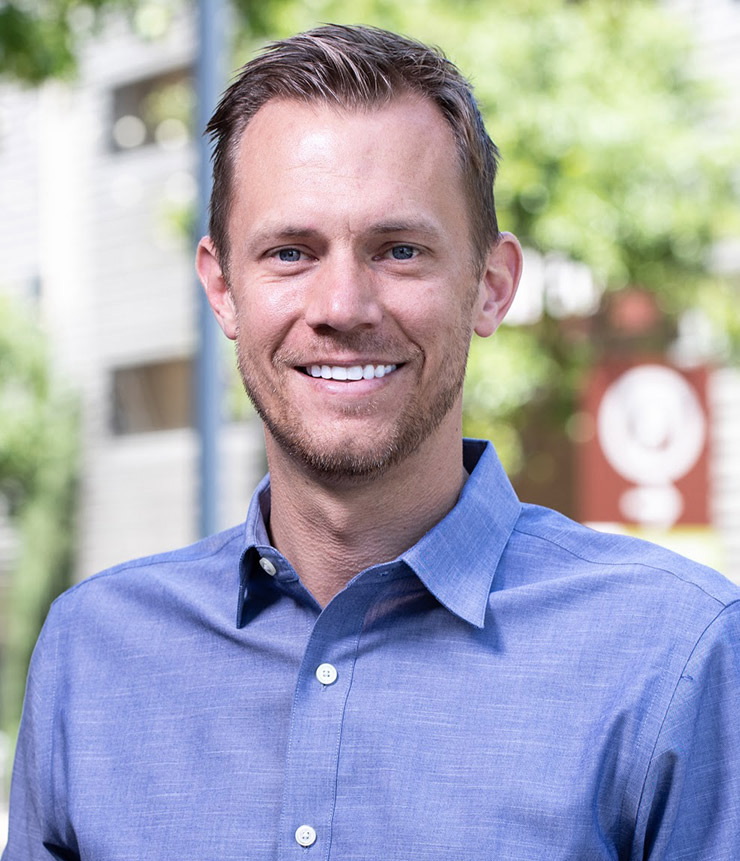
Chris Clark

Chris Clark

Strategic Advisor and Board Member

Founding Chief Strategy Officer, Chris Clark is passionate about helping leaders in higher education realize the transformative power and utility of virtual care to address a range of challenges experienced in our world today. Chris’ experience and leadership in strategy and revenue generation enabled TimelyCare to scale from a niche startup to the gold standard in virtual care for higher education. Now as colleges and university leaders seek solutions that improve student well-being, engagement and retention, they turn to TimelyCare more than anyone else.

Prior to TimelyCare, Chris was a leader in Amgen’s Global Commercial Learning and Performance organization. In this role, he was instrumental in building a new internal consultative function supporting the sales organization. Previous to this role, Chris led a sales team for Amgen in the Dallas/Fort Worth area.

Chris began his career in the pharmaceutical industry in 2002, working for Merck for 13 years, winning multiple national awards in sales and sales management. His experience at Merck, including sales, training, people management, account management and strategy development, was invaluable in founding and scaling TimelyCare.

LinkedIn

Related Articles

  • July 24, 2025
  • Seli Fakorzi
  • Mental Health

12 Tips to Manage Stress for College Students

Stress among college students isn’t just common – it’s overwhelming. In 2024, the American College Health Association reported that 1 in 5 college students experienced serious psychological distress. TimelyCare research shows that 71% of students experienced mental health challenges –...
Student looking at phone
  • June 6, 2025
  • Dr. Nicole Guerrero Trevino
  • Mental Health

Empowering Student Success With TimelyCare’s Academic Confidence Score

OverviewTimelyCare’s new academic confidence score helps measure how students perceive their ability to succeed in college. Based on the Sense of Social Fit Scale, the tool reveals that student confidence significantly improves after Success Coaching sessions. These insights support better...
Business,Woman,Looking,A,Calculator,For,Calculate,On,Desk,In
  • February 18, 2025
  • Dr. Nicole Guerrero Trevino
  • Mental Health

Why Financial Literacy is the Bedrock of Student Success

Higher education traditionally focuses on academic excellence, career preparation, and personal growth. Yet, one critical skill is often overlooked—financial literacy. For students navigating newfound independence, financial understanding can mean the difference between thriving in college and struggling to stay afloat.Financial...
TimelyCare
Facebook Twitter Linkedin Instagram

SOC 2, URAC

TimelyMD is an Educational Partner of NASPA

TimelyCare is an Educational Partner of NASPA

The Product

  • What We Do
  • Who We Serve
  • Our Blog
  • Testimonials
  • TimelyCare Login
  • What We Do
  • Who We Serve
  • Our Blog
  • Testimonials
  • TimelyCare Login

Company

  • About Us
  • People
  • Provider Network
  • News & Media
  • Careers
  • Join Our Care Team
  • Partners
  • Resources
  • About Us
  • People
  • Provider Network
  • News & Media
  • Careers
  • Join Our Care Team
  • Partners
  • Resources

Help

  • Support
  • TimelyCare Login
  • Support
  • TimelyCare Login

Get Started

  • Let’s Talk
  • Request a Demo
  • Let’s Talk
  • Request a Demo

Copyright © 2025
Timely Telehealth, LLC
833.484.6359

Terms & Conditions
Privacy Policy
Security
Cookie Policy

Do Not Sell My Personal Information
Contact Us

TimelyCare
Manage your privacy

We value your privacy.  We use some essential cookies that are necessary to make this service work.  We also use cookies and other technologies to enhance user experience and analyze performance on our website, and we may also share information about your use of our site with our advertising partners.  You can exercise your choices regarding these technologies using the buttons below.  For more information, please see our Privacy Policy and Cookie Policy.

Necessary Always active
Strictly necessary cookies are necessary for the website to function and cannot be switched off in our systems. They are usually only set in response to actions made by you which amount to a request for services, such as setting your privacy preferences, logging in or filling in forms. You can set your browser to block or alert you about these cookies, but some parts of the site will not then work.
Functional
Functionality Cookies allow websites to remember the user’s site preferences and choices they make on the site including username, region, and language. This allows the website to provide personalized features like local news stories and weather if you share your location. They are anonymous and don’t track browsing activity across other websites. Similar to strictly necessary cookies, functionality cookies are used to provide services you request.
Performance
Performance Cookies allow us to count visits and traffic sources so we can measure and improve the performance of our site. They help us to know which pages are the most and least popular and see how visitors move around the site. If you do not allow these cookies we will not know when you have visited our site, and will not be able to monitor its performance. The technical storage or access that is used exclusively for anonymous statistical purposes. Without a subpoena, voluntary compliance on the part of your Internet Service Provider, or additional records from a third party, information stored or retrieved for this purpose alone cannot usually be used to identify you.
Marketing
Marketing Cookies may be set through our site by our advertising partners. They may be used by those companies to build a profile of your interests and show you relevant adverts on other sites. They do not store directly personal information, but are based on uniquely identifying your browser and internet device. If you do not allow these cookies, you will experience less targeted advertising.
  • Manage options
  • Manage services
  • Manage {vendor_count} vendors
  • Read more about these purposes
Manage options
  • {title}
  • {title}
  • {title}
TimelyCare
Manage your privacy
To provide the best experiences, we use technologies like cookies to store and/or access device information. Consenting to these technologies will allow us to process data such as browsing behavior or unique IDs on this site. Not consenting or withdrawing consent, may adversely affect certain features and functions.
Necessary Always active
Strictly necessary cookies are necessary for the website to function and cannot be switched off in our systems. They are usually only set in response to actions made by you which amount to a request for services, such as setting your privacy preferences, logging in or filling in forms. You can set your browser to block or alert you about these cookies, but some parts of the site will not then work.
Functional
Functionality Cookies allow websites to remember the user’s site preferences and choices they make on the site including username, region, and language. This allows the website to provide personalized features like local news stories and weather if you share your location. They are anonymous and don’t track browsing activity across other websites. Similar to strictly necessary cookies, functionality cookies are used to provide services you request.
Performance
Performance Cookies allow us to count visits and traffic sources so we can measure and improve the performance of our site. They help us to know which pages are the most and least popular and see how visitors move around the site. If you do not allow these cookies we will not know when you have visited our site, and will not be able to monitor its performance. The technical storage or access that is used exclusively for anonymous statistical purposes. Without a subpoena, voluntary compliance on the part of your Internet Service Provider, or additional records from a third party, information stored or retrieved for this purpose alone cannot usually be used to identify you.
Marketing
Marketing Cookies may be set through our site by our advertising partners. They may be used by those companies to build a profile of your interests and show you relevant adverts on other sites. They do not store directly personal information, but are based on uniquely identifying your browser and internet device. If you do not allow these cookies, you will experience less targeted advertising.
  • Manage options
  • Manage services
  • Manage {vendor_count} vendors
  • Read more about these purposes
Manage options
  • {title}
  • {title}
  • {title}